Instrumentation & Automation
Measure accurately. Control intelligently. Operate with confidence.
Instrumentation & Automation
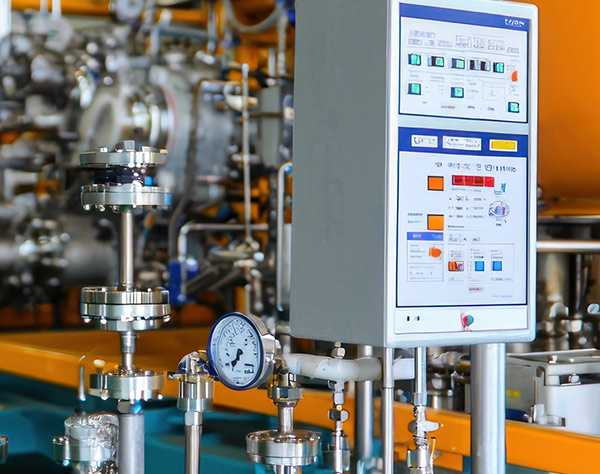
Reliable water treatment depends on knowing what is happening inside the process and responding to changes at the right time.
Hydroxy supplies instruments for measuring critical parameters including flow, pressure, level, pH, ORP, conductivity, turbidity, dissolved oxygen and disinfectant residuals, together with automation systems that use these signals to control pumps, valves, dosing equipment and treatment sequences.
Our product range supports applications across RO plants, filtration systems, STP, ETP, disinfection systems, high-purity water systems and industrial process-water treatment.
Products
Flow Measurement Instruments
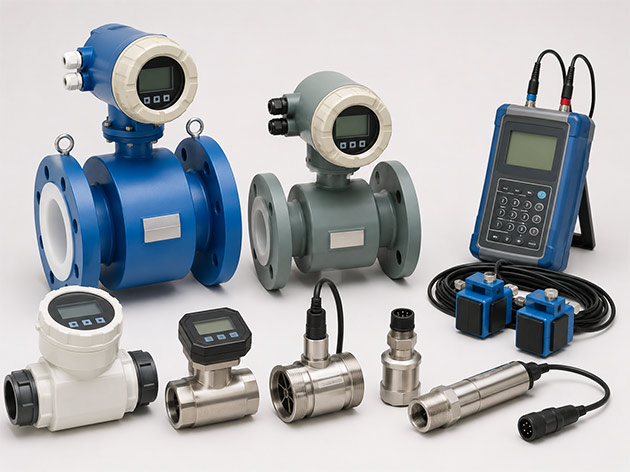
Flow instruments measure water moving through treatment systems and provide important data for production, dosing, recovery and equipment control.
Available technologies can include electromagnetic, ultrasonic, turbine and other flow-measurement methods depending on the application.
Raw-water feed, filter flow, RO feed/permeate/reject, treated-water production, chemical dosing, wastewater transfer and reuse-water monitoring.
Pressure Measurement Instruments
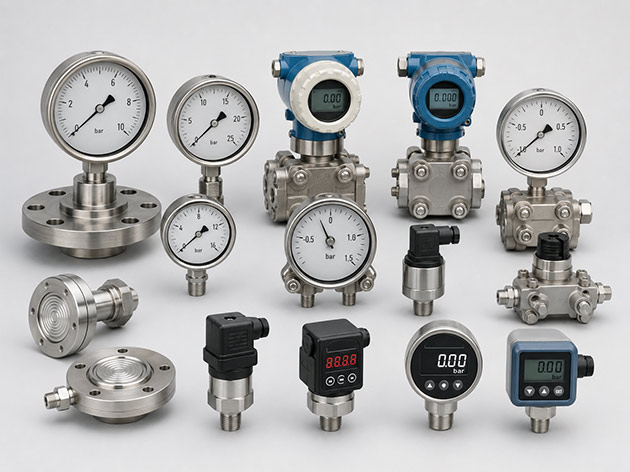
Pressure gauges, switches and transmitters help operators monitor system conditions and protect pumps, filters and membrane equipment. Differential-pressure measurement can also indicate increasing resistance across filters or other treatment stages.
RO systems, pressure filters, pumps, membrane vessels, cartridge filters, pipelines and booster systems.
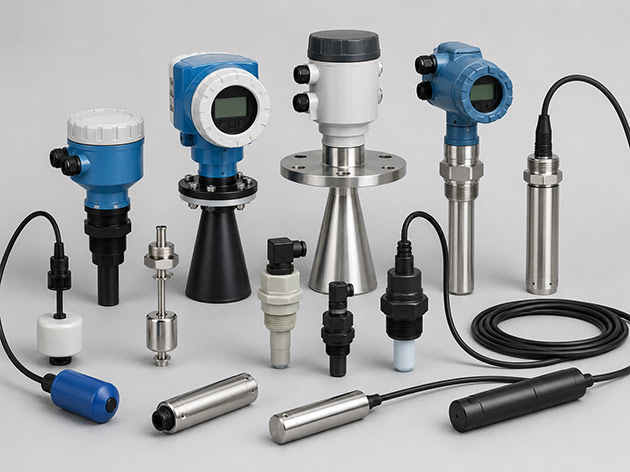
Level Sensors & Transmitters
Level instruments detect or continuously measure liquid levels in tanks, vessels and sumps. Depending on the application, technologies may include ultrasonic, radar, hydrostatic, float and point-level sensing.
Raw-water tanks, treated-water tanks, chemical tanks, balance tanks, STP/ETP tanks, sumps and storage vessels.
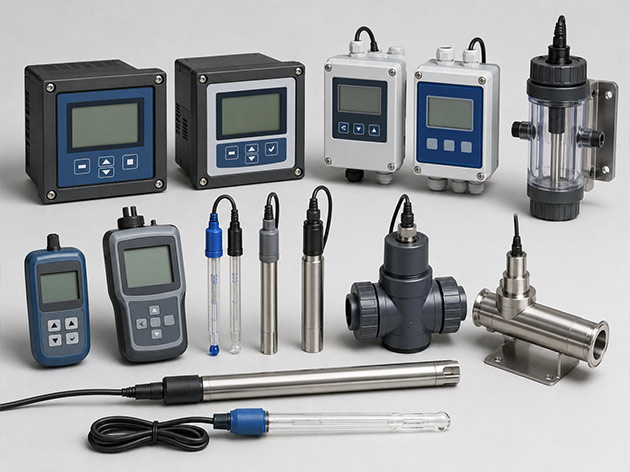
pH & ORP Instruments
pH instruments measure acidity or alkalinity, while ORP instruments indicate oxidation-reduction conditions within the treatment process. These measurements can be connected to dosing systems for automatic chemical adjustment.
pH correction, neutralisation, coagulation, chlorination, ozonation, wastewater treatment and process-water conditioning.
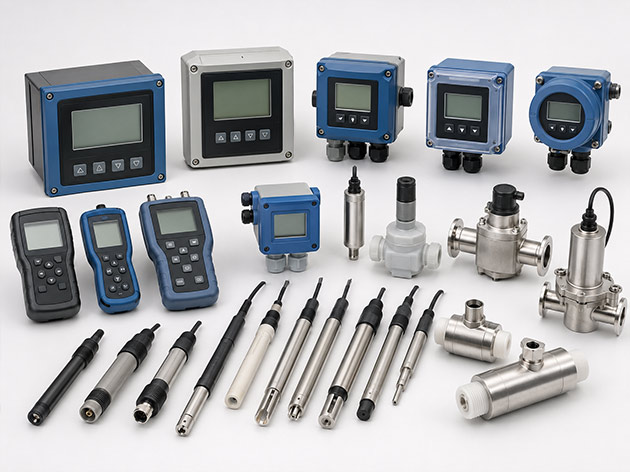
Conductivity, TDS & Resistivity Instruments
Conductivity instruments measure the ability of water to conduct electrical current and are widely used as an indicator of ionic concentration. Depending on the application, systems may display conductivity, estimated TDS or resistivity.
RO feed and permeate, DM plants, mixed-bed systems, high-purity water, boiler make-up water and process-water monitoring.
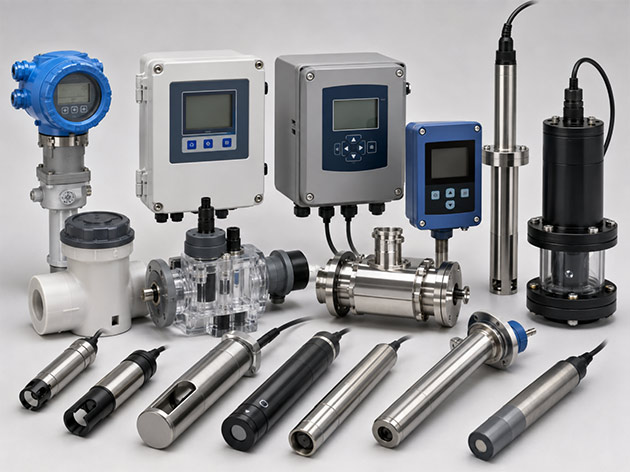
Turbidity & Suspended-Solids Instruments
Turbidity instruments measure the optical effect of suspended particles in water and help indicate changes in filtration or clarification performance. Suspended-solids sensors can be used where higher solids concentrations require direct process monitoring.
Raw water, filtration, clarifiers, drinking water, tertiary treatment, wastewater treatment and final effluent.
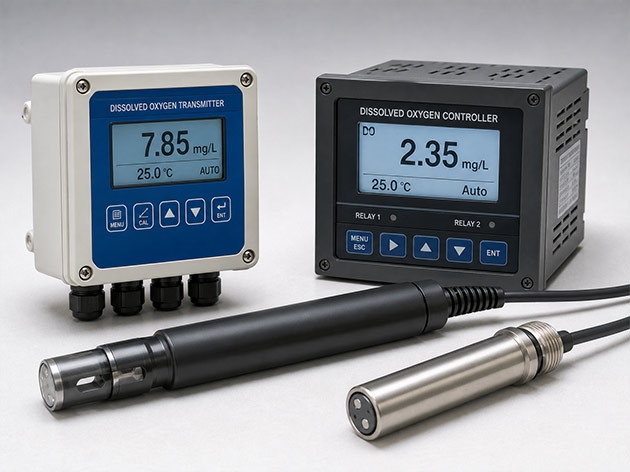
Dissolved Oxygen Sensors
Dissolved oxygen sensors measure oxygen concentration in water and are particularly important where aeration must be controlled according to biological treatment demand.
Aeration tanks, activated-sludge systems, SBR, MBBR, MBR and wastewater-treatment process control.
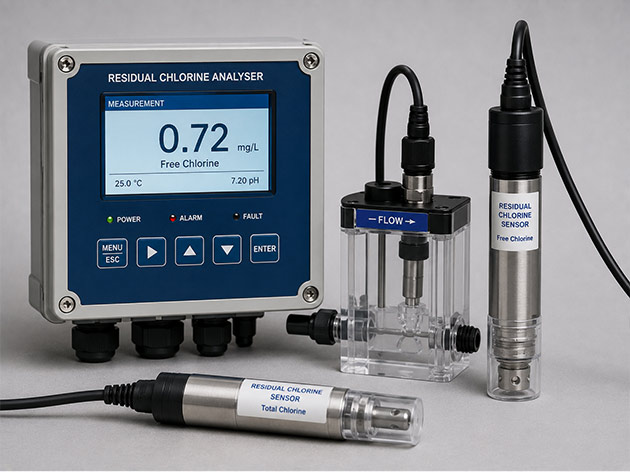
Residual Chlorine & Disinfection Analysers
Online analysers monitor free or total chlorine and other relevant disinfection parameters to help maintain controlled treatment performance. Depending on the application, monitoring can also include ozone, chlorine dioxide or ORP.
Drinking-water disinfection, chlorination systems, storage tanks, distribution systems, process water and treated-water reuse.
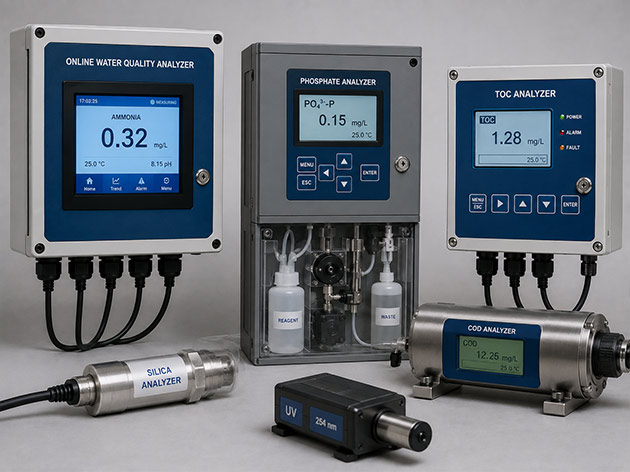
Online Water-Quality Analysers
Online analysers provide continuous measurement where laboratory sampling alone is not sufficient for day-to-day process control. Parameters can include: Ammonia · Phosphate · Silica · Hardness · TOC · COD · Sodium · Nutrients The exact analyser is selected according to the treatment process and monitoring objective.
Boiler water, high-purity water, wastewater, drinking-water treatment, industrial process water and final effluent monitoring.
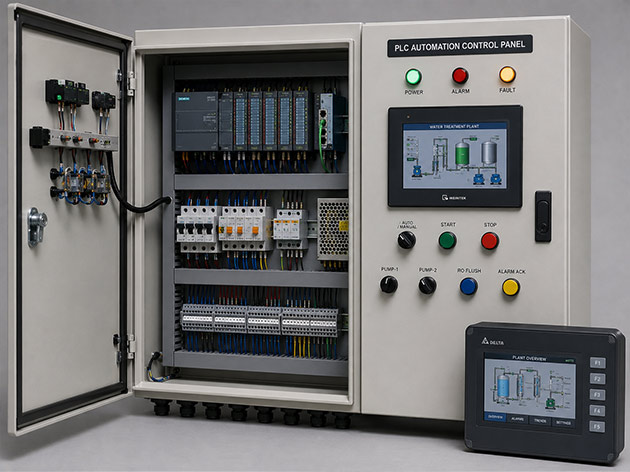
PLC Automation Control Panels
PLC-based panels receive signals from sensors and execute programmed treatment sequences. They can automatically control: Pumps · Valves · Dosing Systems · Backwashing · Regeneration · Membrane Flushing · Tank Levels · Alarms
RO plants, filtration systems, STP, ETP, DM plants, water-reuse systems and complete treatment installations.
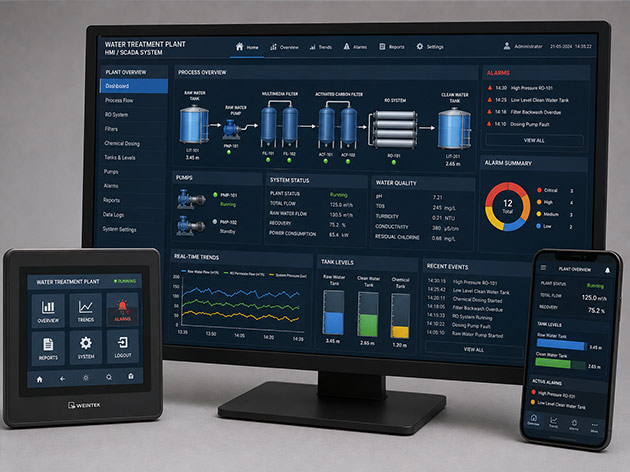
HMI Operator Control Systems
SCADA systems combine process data from multiple instruments, controllers and treatment areas into a central monitoring platform. Depending on the installation, functionality can include: Real-Time Dashboards · Historical Trends · Alarm Management · Reporting · Remote Access · Multi-Site Monitoring
Large water-treatment plants, STP/ETP installations, industrial water systems, pumping stations and geographically distributed water infrastructure.
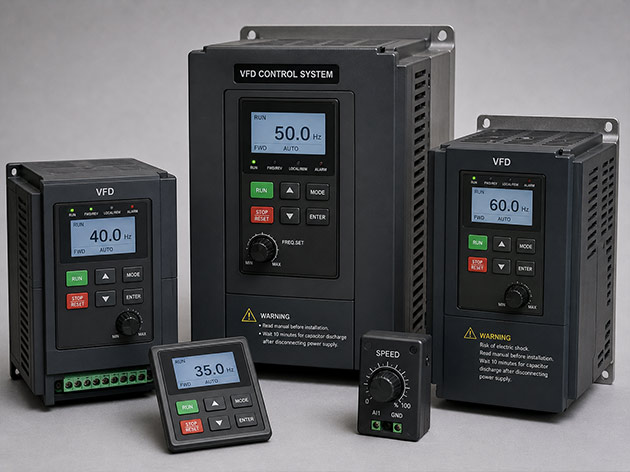
Variable Frequency Drive - VFD Control Systems
VFDs vary motor speed according to process demand rather than operating continuously at full speed. When combined with flow, pressure, level or process signals, they can provide smoother and more efficient equipment control.
Feed pumps, booster pumps, RO pumps, transfer pumps, aeration blowers and process circulation systems.
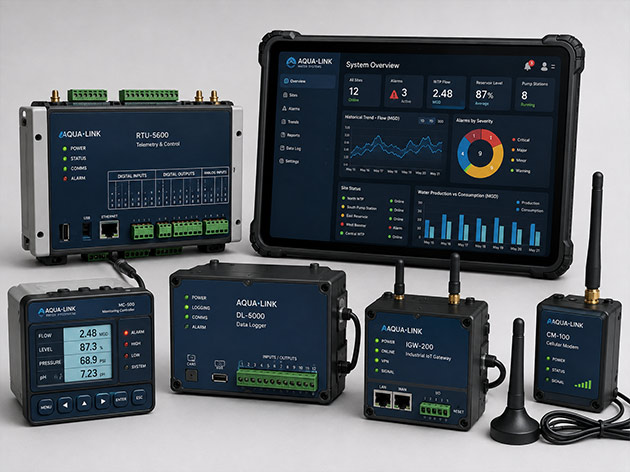
Telemetry, Data Logging & Remote Connectivity
Remote communication and data-logging systems allow treatment performance to be viewed beyond the local control panel. Depending on project requirements, systems can support:Remote Equipment Status Alarm Notifications, Historical Process Data, Consumption Monitoring, Production Monitoring, Remote Sites, Multi-Plant Supervision
Remote pumping stations, decentralised treatment plants, commercial facilities, industrial sites and multi-location water infrastructure.