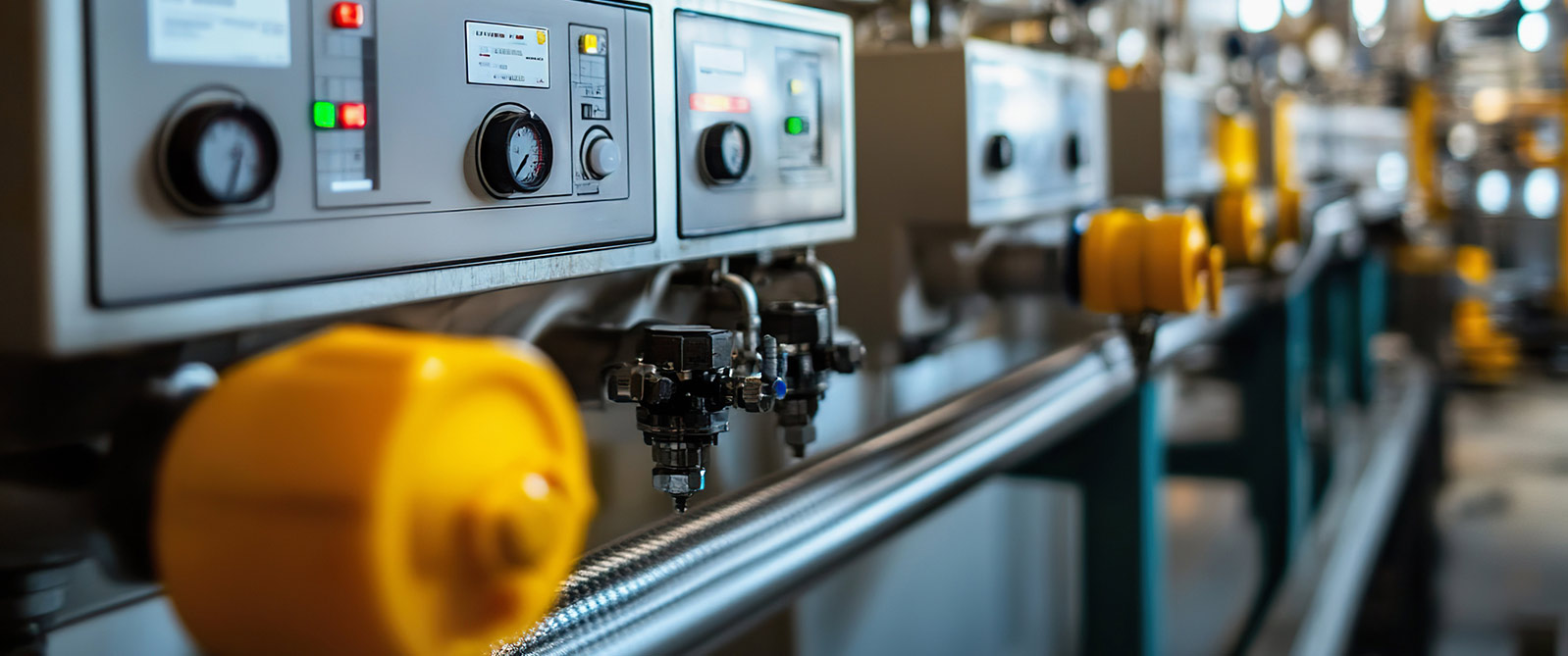
Plant Automation
Smarter control for more reliable water and wastewater treatment.
From Manual Operation to Intelligent Control - Make the Plant Easier to Operate
Modern water-treatment plants involve pumps, blowers, valves, dosing systems, membranes, tanks and multiple treatment stages that must operate in the correct sequence.
Hydroxy integrates these systems through PLC, HMI, SCADA, instrumentation and automatic control logic, creating a plant that is easier to monitor, control and manage.
The objective is not automation for its own sake. Automate the right processes. Give operators better visibility. Keep treatment under control.

Monitor. Control. Automate. Alert. Optimise.
Capture important process information including flow, pressure, level, water quality and equipment status.
Operate pumps, valves, blowers, dosing equipment and treatment processes according to defined conditions.
Convert repetitive manual activities into controlled automatic sequences.
Identify abnormal operating conditions and notify operators before they develop into larger problems.
Use operating data to improve process consistency, equipment utilisation and overall plant performance.
What Can Be Automated?
Depending on the treatment plant, Hydroxy can automate:
- Pump Start / Stop & Duty–Standby Sequencing
- Tank Level Control
- Automatic Valve Operation
- Filter Backwashing
- Softener / DM Regeneration
- RO Start-Up, Shutdown & Flushing
- Membrane CIP Sequences
- Chemical Dosing
- pH / ORP Control
- Chlorination & Disinfection
- Blower & Aeration Control
- MBBR / SBR / MBR Process Sequences
- Sludge Transfer
- Pressure & Flow Control
- VFD-Based Pump Control
- Equipment Interlocks
- Alarm & Fault Management
- Treated-Water Quality Monitoring
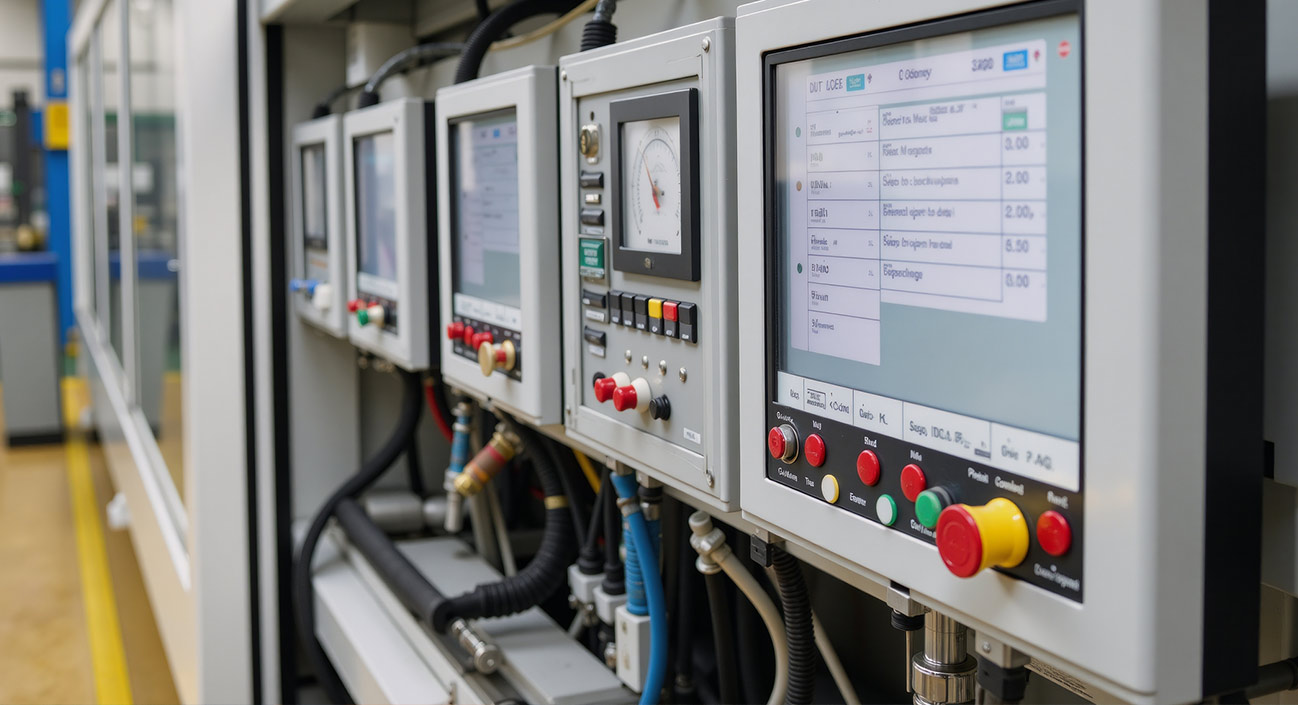
One Connected Control Architecture - From Field Instrument to Operator Screen
A complete plant automation system connects multiple layers of operation: Sensors & Instruments → PLC / RTU → Equipment Control → HMI → SCADA / Remote Monitoring
Flow, pressure, level, conductivity, pH, ORP, turbidity, dissolved oxygen and other relevant measurements provide real-time process information.
The PLC processes plant signals and executes programmed sequences, interlocks and equipment controls.
Operators can view plant status, process values, equipment conditions, alarms and operating modes from a central interface.
For larger installations, SCADA can provide plant-wide monitoring, historical trends, alarms, reports and supervisory control.
Automation Designed Around the Treatment Process - Control Logic Must Understand Water Treatment
Plant automation should reflect the process being controlled.
Automatic start-up and shutdown, tank-level control, high/low-pressure protection, conductivity monitoring, flushing, dosing and membrane protection.
Automatic service, backwash and rinse sequences based on time, pressure differential or operating conditions.
Automatic operation of pumps, blowers, mixers, dosing systems, aeration, sludge transfer and biological-treatment sequences.
Automatic chemical dosing, UV operation, ozone control and relevant water-quality monitoring.
Conductivity/resistivity monitoring, treatment sequencing, recirculation and critical alarm management.

