Remote Monitoring (IoT)
Stay connected to your water treatment plant—wherever you are.
See What Your Plant Is Doing in Real Time - Turn Plant Data Into Operational Visibility
Water-treatment plants continuously generate information through flow meters, pressure transmitters, level sensors, water-quality instruments, PLCs and equipment controls.
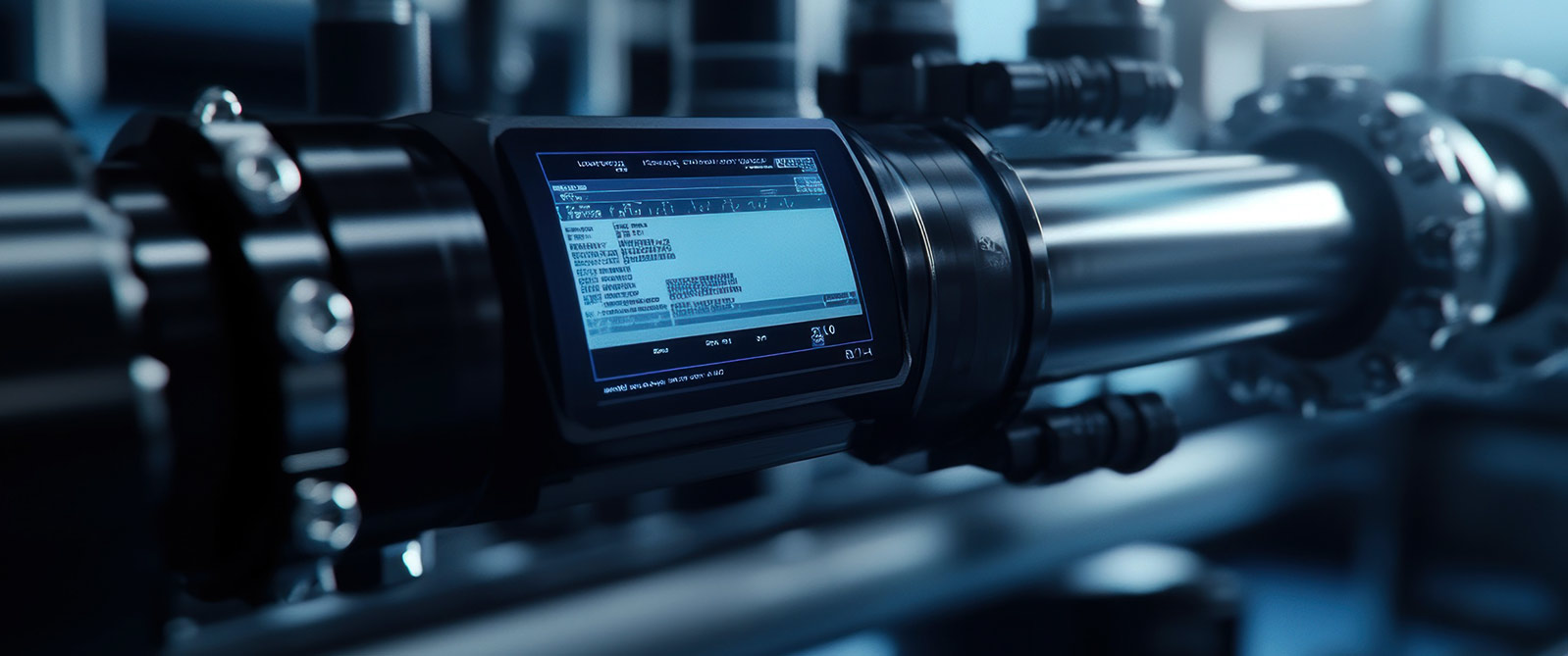
Hydroxy connects this operational data to a remote monitoring platform so plant owners, operators and service teams can understand what is happening without being physically present at the plant.
Connect. Monitor. Alert. Analyse. Respond.

What Can Be Monitored?
- Plant Running / Stopped Status
- Feed & Treated-Water Flow
- Tank Levels
- Pump & Blower Status
- Operating Pressure
- Differential Pressure
- Conductivity / TDS
- pH / ORP
- Turbidity
- Dissolved Oxygen
- Residual Chlorine
- RO Permeate & Reject Flow
- Membrane Operating Conditions
- Chemical Tank Levels
- Equipment Running Hours
- Faults & Alarms
- Water Production
- Energy Consumption, where measured
How IoT Remote Monitoring Works
From Plant Equipment to Remote Dashboard. A typical Hydroxy monitoring architecture can connect: Sensors & Instruments → PLC / Control Panel → IoT Gateway → Secure Data Connection → Cloud Platform → Web / Mobile Dashboard
Sensors and instruments measure important process and equipment conditions.
Existing plant controls provide operating status, alarms and process values.
A communication gateway securely transfers selected plant data to the remote platform.
Operational information is organised into dashboards, trends, alarms and plant-performance views.
Authorised users can monitor the system through compatible web or mobile interfaces.

Real-Time Dashboards - Important Information at a Glance
Hydroxy can configure dashboards around the actual treatment process rather than displaying unnecessary raw data. Dashboard information can include:
Current operating status of the complete treatment system.
Feed, treated-water, permeate and reject volumes.
Relevant online quality parameters and operating limits.
Pump, blower, valve and treatment-unit conditions.
Real-time storage and process-tank information.
Active faults and abnormal plant conditions.
Alerts & Notifications - Know When Something Needs Attention
IoT monitoring becomes especially valuable when the system identifies abnormal conditions without waiting for someone to visit the plant. Depending on the configuration, alerts can be generated for conditions such as:
- High / Low Tank Level
- Pump Failure
- High Pressure
- Low Feed Pressure
- High Differential Pressure
- High Product-Water TDS
- Low RO Permeate Flow
- Chemical Tank Low Level
- Instrument Fault
- Equipment Trip
- Abnormal Water Quality
- Communication Failure
This allows operators or service teams to investigate issues sooner and prioritise site intervention where required.

