Enjoy Our Hot Offers! Call for Free Estimate: +91-9995009917/18 @KL +91-9663731923 @KA/TN
background

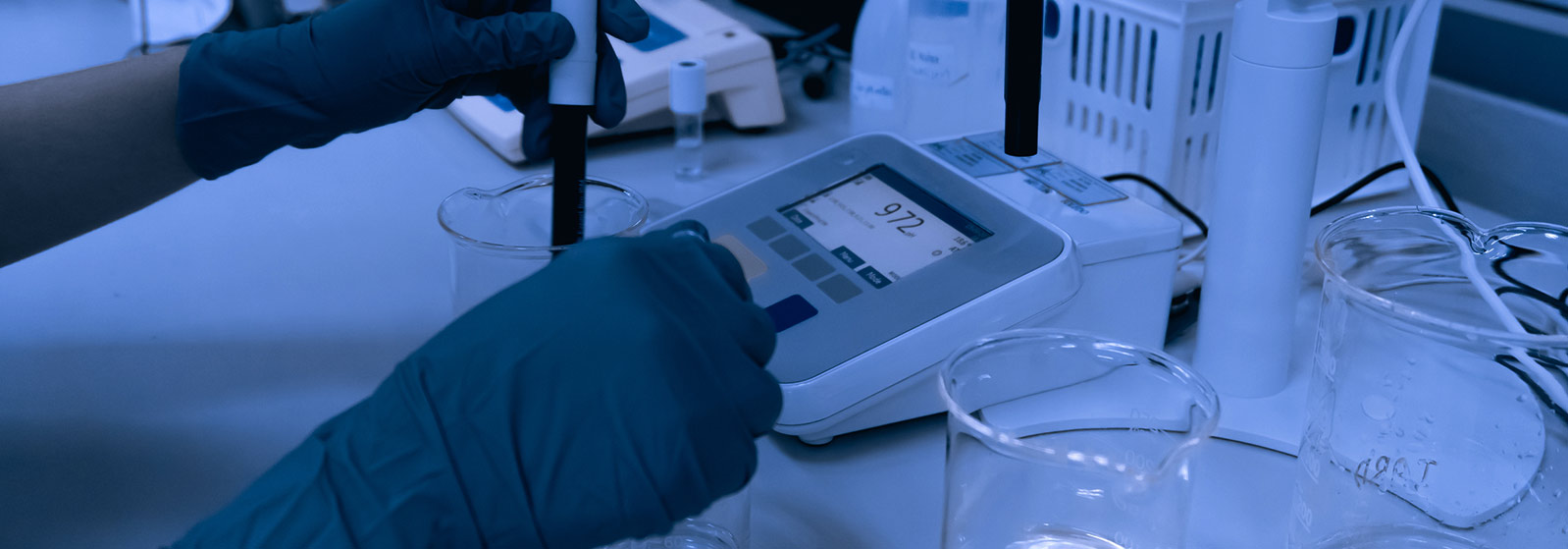
Laboratory Water Testing

Know your water before deciding how to treat it.

Test First. Treat With Confidence. - Water Analysis Is the Starting Point for Good Treatment Design

Water may look clear while still containing dissolved salts, hardness, metals, microorganisms, organic contaminants or other parameters that affect its suitability for use.

Laboratory analysis provides measurable information about the water so treatment decisions can be based on actual water quality rather than assumptions.

Hydroxy uses water-testing data to support treatment-system selection, plant design, performance evaluation and troubleshooting.

banner
What Can Be Tested?

The required testing scope depends on the water source, application and treatment objective.

Physical Parameters
  • Colour
  • Odour
  • Turbidity
  • Total Suspended Solids — TSS
  • Temperature
General Chemical Parameters
  • pH
  • Conductivity
  • Total Dissolved Solids — TDS
  • Total Hardness
  • Calcium Hardness
  • Alkalinity
  • Chloride
  • Sulphate
  • Silica
Metals & Inorganic Parameters
  • Iron
  • Manganese
  • Fluoride
  • Nitrate
  • Ammonia
  • Other selected metals or inorganic contaminants where required
Wastewater Parameters
  • Biochemical Oxygen Demand — BOD
  • Chemical Oxygen Demand — COD
  • TSS
  • Oil & Grease
  • Nitrogen
  • Phosphorus
  • Other process-specific parameters
Microbiological Parameters

Where required, testing can include appropriate microbiological indicators relevant to the intended water use.

Different Water. Different Testing Requirements.
Raw & Borewell Water

Understand hardness, TDS, iron, manganese, alkalinity and other characteristics before selecting treatment.

Drinking Water

Evaluate important physical, chemical and microbiological parameters according to the intended potable-water requirement.

RO Feed & Product Water

Compare feed, permeate and reject quality to understand membrane performance and treatment requirements.

Process & Utility Water

Analyse water used for boilers, cooling systems, manufacturing and other industrial applications.

Wastewater & Treated Effluent

Measure pollutant loading and final treated-water characteristics to support process control, treatment improvement and reuse decisions.

Recycled & Reuse Water

Assess whether treated water is appropriate for its proposed next application.
banner
banner

Laboratory Testing for Existing Treatment Plants

When Performance Changes, Test the Water. Water testing can also support troubleshooting when an existing treatment system develops problems such as:

Reduced RO Recovery
High Product-Water TDS
Membrane Scaling
Frequent Filter Fouling
Poor Softener Performance
Excessive Chemical Consumption
Unexpected Colour or Odour
Inconsistent Wastewater Treatment
Poor Final-Effluent Quality

Comparing feed-water, intermediate and treated-water samples can help identify where performance is changing within the treatment process.

From Test Report to Treatment Decision

Numbers Are Useful When They Lead to the Right Action. Hydroxy can use laboratory results to help answer practical treatment questions such as:

Is RO necessary?

TDS, conductivity and ionic composition help define the requirement.

Does groundwater require iron treatment?

Iron, manganese and related parameters help determine the treatment approach.

Why is an RO plant losing performance?

Feed-water chemistry can help identify scaling or fouling risks.

Is wastewater treatment performing correctly?

BOD, COD, TSS and other relevant parameters help evaluate treatment performance.

Can treated water be reused?

The required testing should be matched to the proposed reuse application.

Understand the Water Before You Treat It.

Whether you are planning a new treatment plant, evaluating an existing system or investigating a water-quality problem, laboratory testing provides the information needed to make a more informed decision.

Test. Understand. Treat Better.