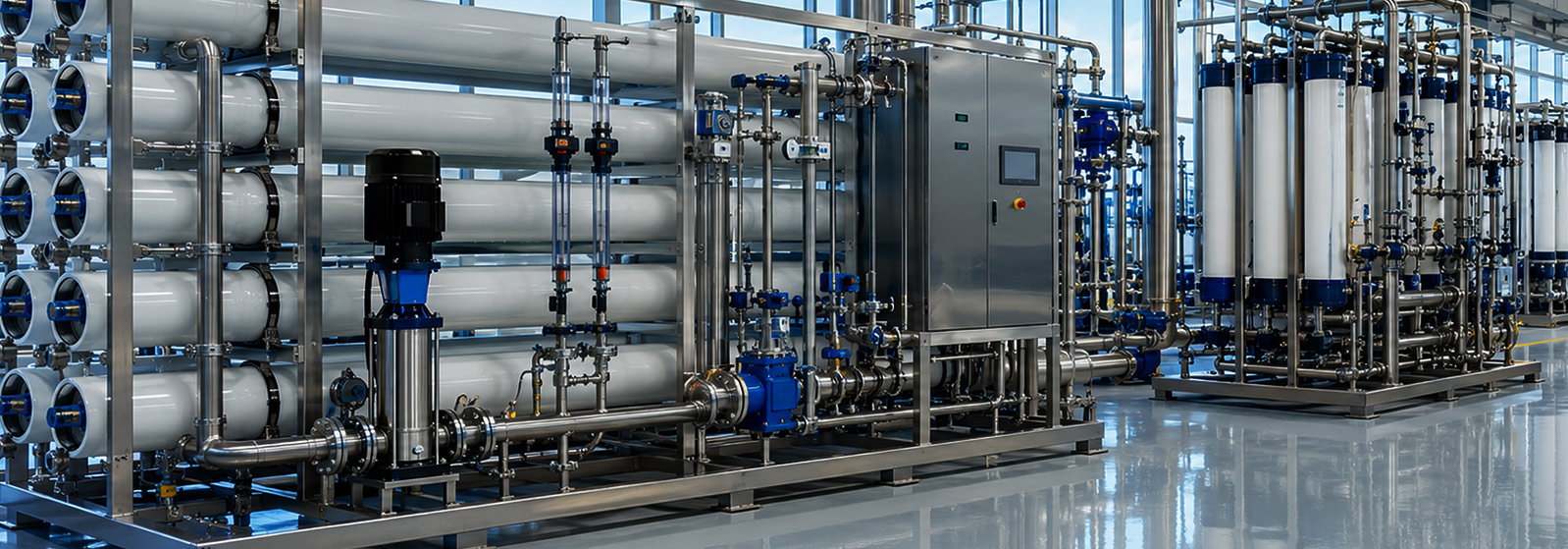
Membranes
High-performance membrane technologies for precise water separation and purification.
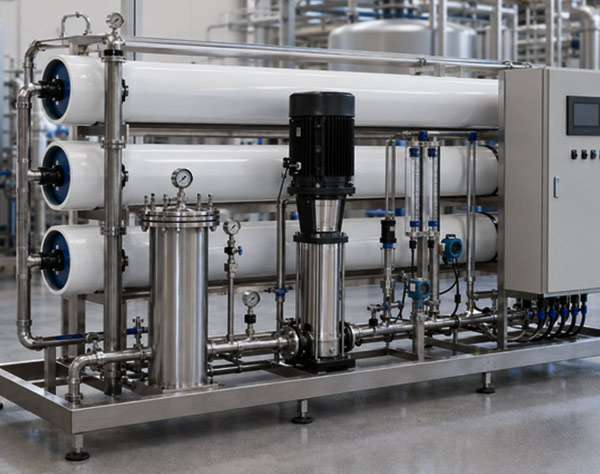
Membranes
Hydroxy supplies membrane elements and modules for drinking water, desalination, process water, wastewater reuse and high-purity water applications, fine particulate and microorganism removal to hardness reduction and dissolved-salt separation..
Membranes provide a selective physical barrier that separates contaminants from water according to their size, charge and membrane characteristics.
Available membrane technologies include Reverse Osmosis (RO), Nanofiltration (NF), Ultrafiltration (UF) and Microfiltration (MF), with configurations selected according to feed-water quality, required treated-water quality, operating pressure and system capacity. Membrane technology is widely used across municipal, commercial and industrial applications because it provides consistent separation performance within compact treatment systems.
Products
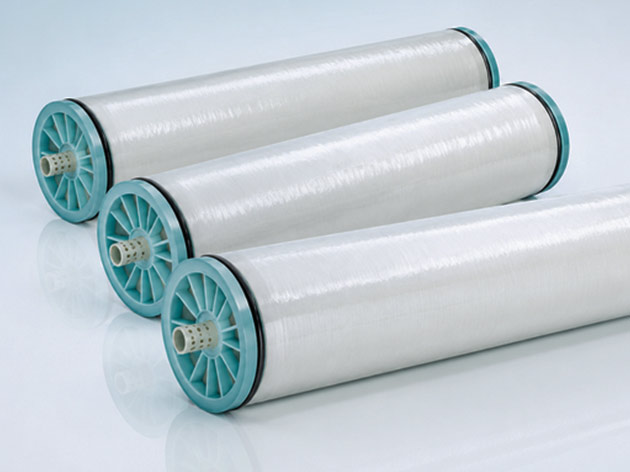
Brackish Water RO Membranes
Brackish-water RO membranes are designed to reduce dissolved salts and ionic contaminants from borewell, groundwater, municipal and process-water sources. They are commonly selected where high-quality permeate is required from feed water with lower salinity than seawater.
Drinking water, borewell water, industrial process water, boiler-feed pretreatment, commercial RO systems and general desalination.
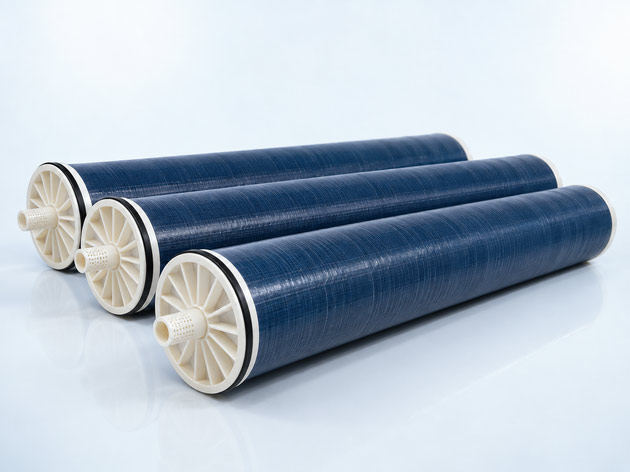
Seawater RO Membranes
Seawater RO membranes are engineered to operate at higher pressure and provide high salt rejection from high-salinity seawater sources.
Seawater desalination, coastal facilities, hotels and resorts, marine applications, island water supply and industrial desalination.
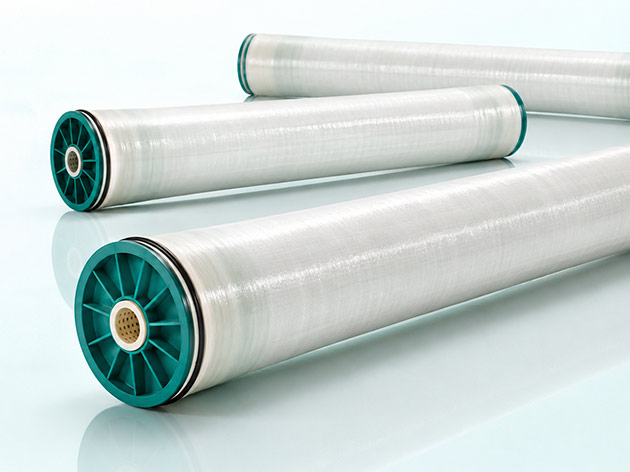
Low-Energy RO Membranes
Low-energy RO membranes are designed to provide strong salt rejection while operating at lower pressure than conventional high-pressure RO elements where feed-water conditions permit.
Commercial RO plants, municipal water, low-to-moderate TDS feed water and energy-conscious industrial systems.
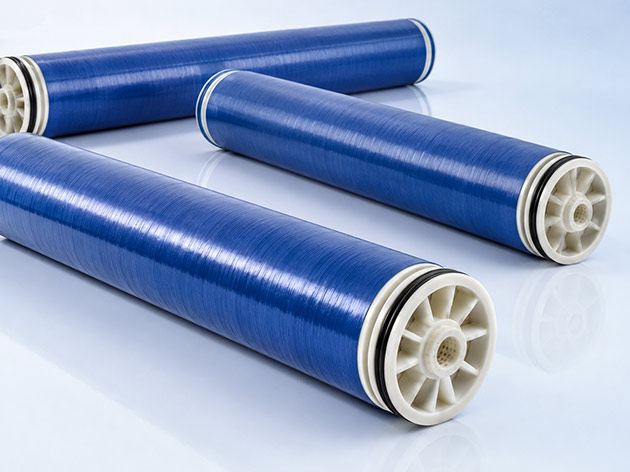
High-Rejection RO Membranes
High-rejection RO membranes are selected where very low permeate salinity or tighter ionic separation is required.
High-purity water pretreatment, pharmaceutical utilities, boiler make-up water, electronics and specialised industrial process water.
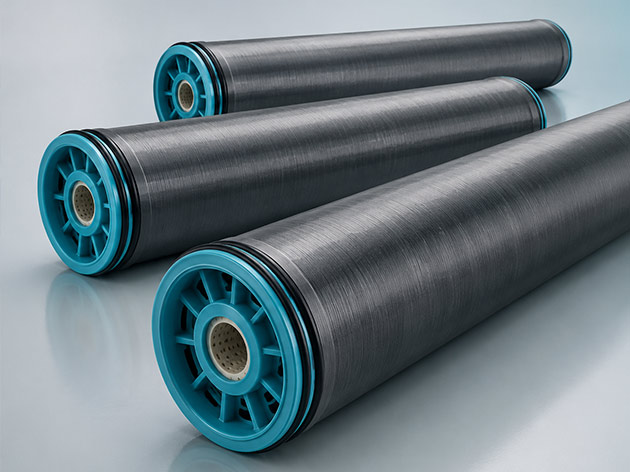
Fouling-Resistant RO Membranes
Fouling-resistant RO membranes are engineered for applications where organic loading, biological activity or difficult feed-water conditions can increase membrane fouling.
Wastewater reuse, surface water, difficult groundwater, industrial effluent recovery and reuse systems.
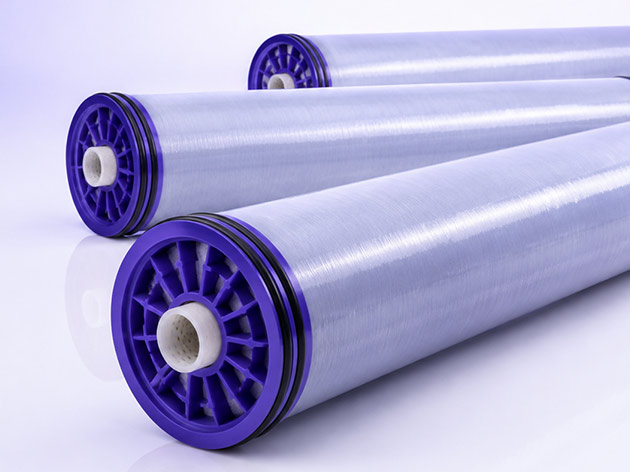
Nanofiltration - NF Membranes
NF membranes provide a separation level between RO and UF and are useful where partial demineralisation or selective contaminant reduction is required. They can reduce hardness, colour, selected organics and multivalent ions while allowing more monovalent salts to pass compared with RO.
Water softening, colour removal, surface-water treatment, process water, food & beverage and selected water-reuse applications.
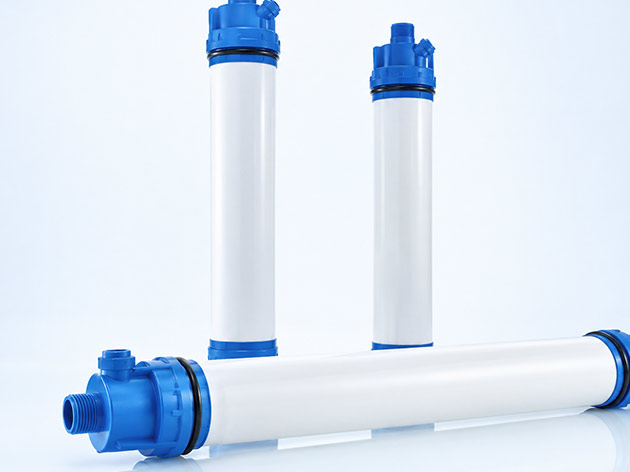
Ultrafiltration - UF Membranes
UF membranes provide a physical barrier for fine suspended solids, colloids and microorganisms while allowing dissolved salts to remain in the water. They are widely used as pretreatment before RO and for drinking-water and reuse applications.
RO pretreatment, drinking water, surface water, industrial water, wastewater reuse and tertiary filtration.
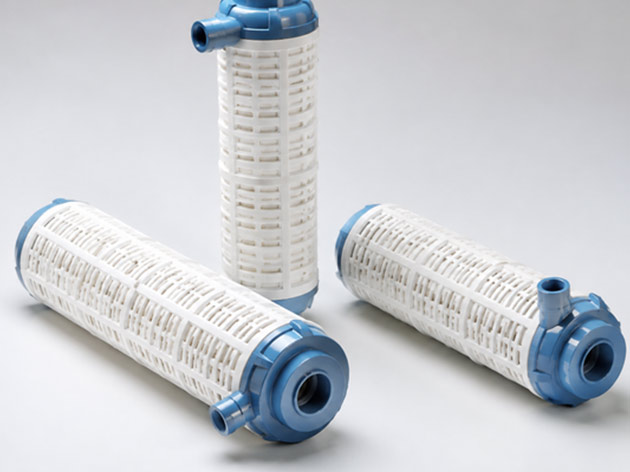
Microfiltration - MF Membranes
MF membranes provide larger pore sizes than UF and are used where efficient removal of suspended particles and selected microorganisms is required without removing dissolved salts.
Pretreatment, process-water clarification, beverage applications, wastewater polishing and general membrane filtration.
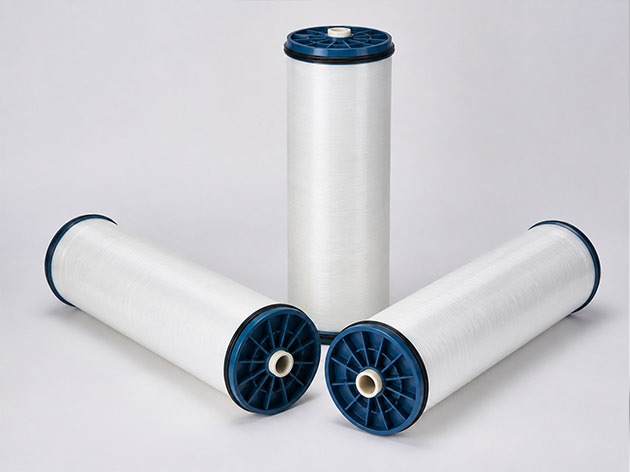
Wastewater & Reuse RO Membranes
These membrane elements are designed for applications where treated effluent is further purified to reduce dissolved salts and residual contaminants before reuse.
Industrial wastewater recovery, tertiary reuse, recycled water, process-water reuse and high-recovery water systems.
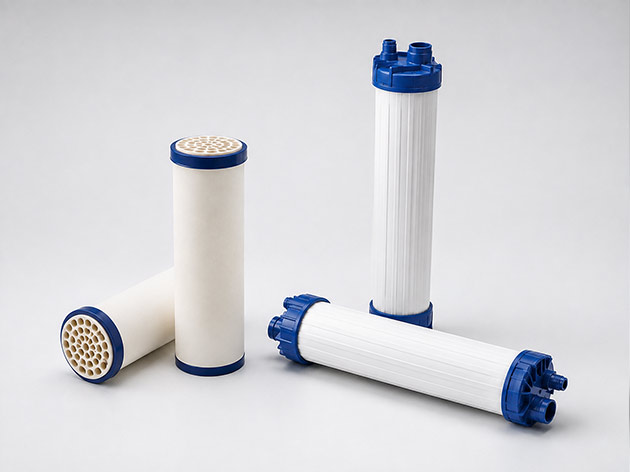
Specialty Process Membranes
Specialty membrane elements can be selected for applications requiring specific chemical compatibility, separation characteristics or process performance beyond conventional drinking-water RO.
Food & beverage processing, pharmaceutical water, chemical processing, speciality industrial separations and high-purity applications.