
Pressure Tanks
Stable pressure, reliable water storage and efficient pump operation.
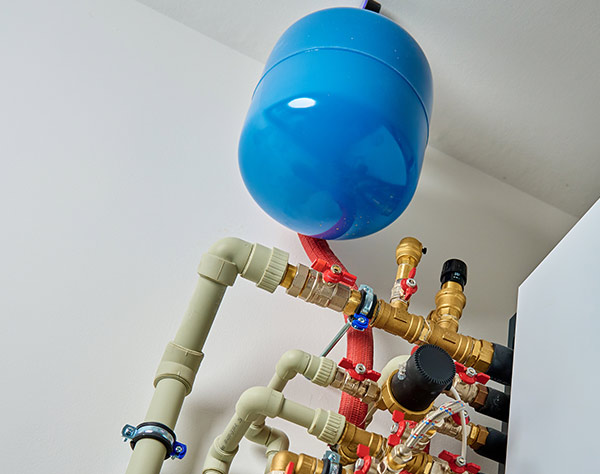
Pressure Tanks
Pressure tanks store water under pressure and help maintain stable system performance as water demand changes.
By maintaining a controlled air cushion separated from the water by a diaphragm or bladder, the tank provides usable water between pump operating cycles. This reduces unnecessary pump starts and helps maintain more consistent delivery pressure.
Hydroxy supplies pressure tanks in different capacities, pressure ratings, materials, orientations and connection sizes for residential, commercial and industrial water applications. Typical uses include booster systems, borewell and transfer pumping, treated-water distribution, RO water storage and process-water pressure management.
Products
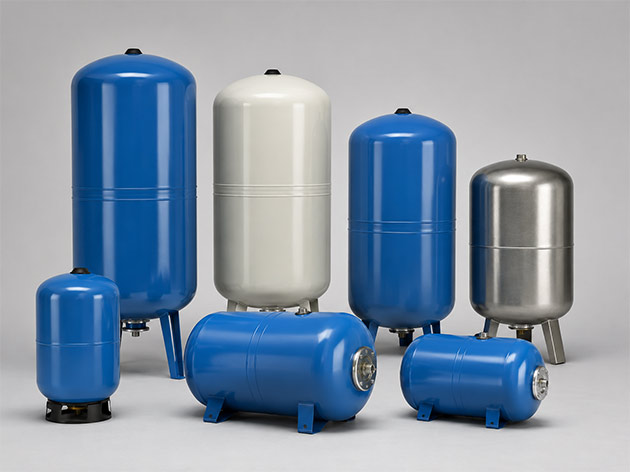
Diaphragm Pressure Tanks
Diaphragm pressure tanks use a flexible internal diaphragm to separate pressurised air from the stored water. As the pump fills the tank, the diaphragm moves and compresses the air chamber. When water is required, the compressed air pushes stored water back into the system before the pump needs to restart.
Water booster systems, borewell pumping, treated-water supply, commercial water systems and general pressure maintenance.
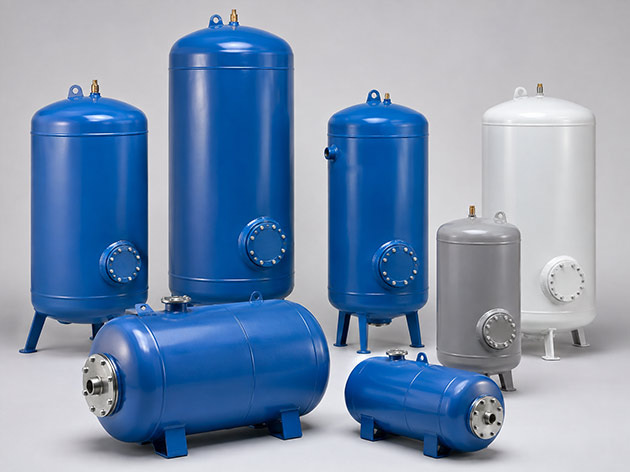
Replaceable Bladder Pressure Tanks
Bladder tanks contain water inside a flexible bladder surrounded by a pre-charged air chamber. Replaceable-bladder designs allow the internal bladder to be serviced or replaced where the tank construction permits, making them suitable for larger commercial and industrial installations.
Booster systems, commercial water supply, industrial treated-water distribution, process-water systems and high-duty pumping applications.
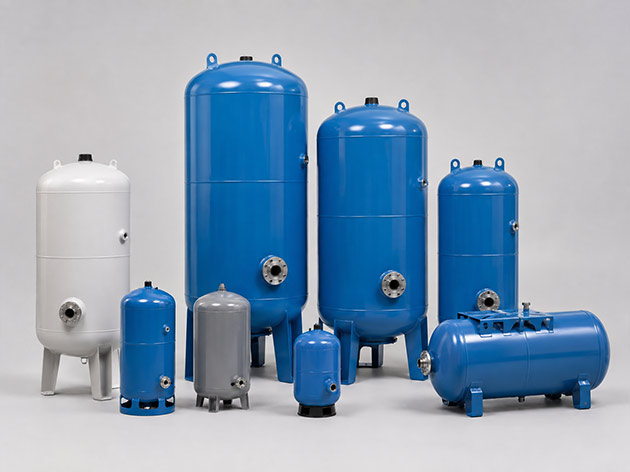
Hydropneumatic Pressure Tanks
Hydropneumatic tanks use compressed air and stored water to provide pressure buffering between the pump and the distribution system. They help accommodate changing demand while reducing rapid pump cycling.
Building water supply, booster systems, commercial facilities, institutions, hotels and industrial water networks.
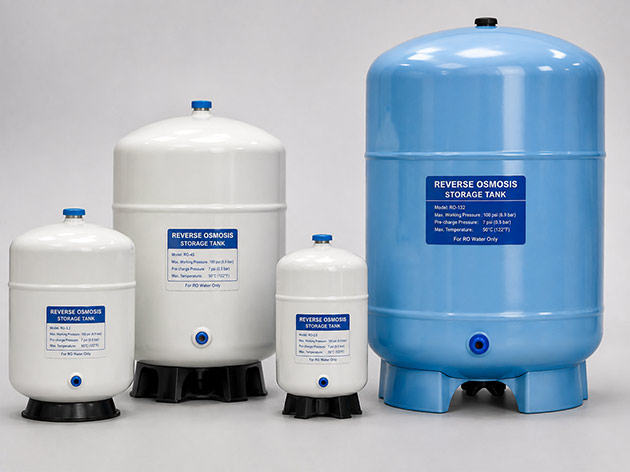
Reverse Osmosis Storage Tanks
RO pressure tanks store permeate produced by the reverse-osmosis system and make treated water available when downstream demand occurs. An internal diaphragm or bladder separates the stored purified water from the pre-charged air chamber, allowing the tank to deliver water under pressure.
Domestic RO systems, commercial RO systems, drinking-water purification and point-of-use purified-water storage.
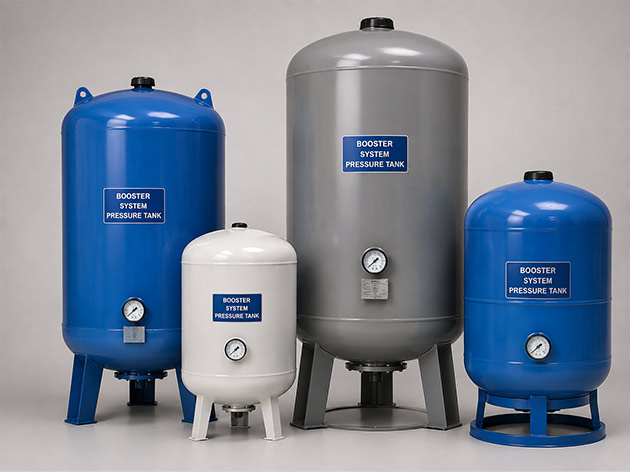
Booster System Pressure Tanks
Booster pressure tanks work alongside single or multiple booster pumps to absorb short-term demand changes and help maintain stable network pressure. It can also reduce unnecessary pump starts when only a small quantity of water is required.
Commercial buildings, hotels, hospitals, institutions, residential developments, industrial facilities and treated-water distribution systems.
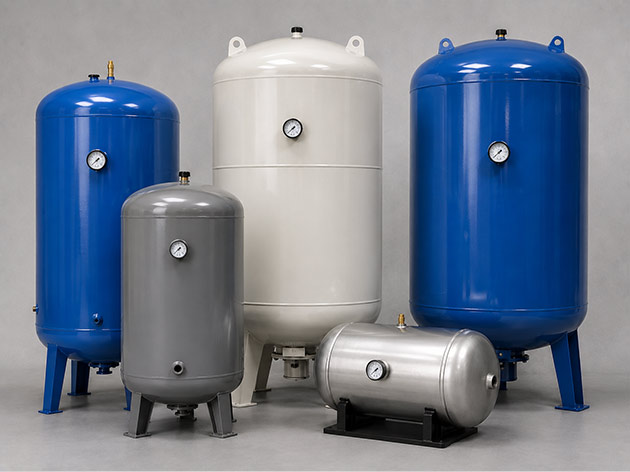
Commercial & Industrial Pressure Tanks
Commercial and industrial tanks are designed for applications requiring larger storage volumes, higher flow rates or more demanding operating pressures than small residential systems. Configurations can be selected according to installation space, pressure rating and pump operating conditions.
Industrial water treatment, high-capacity booster systems, institutional water supply, process-water distribution and central treated-water systems.
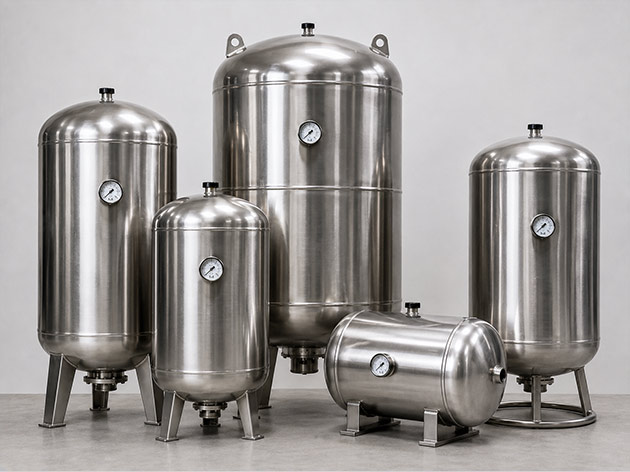
Stainless Steel Pressure Tanks
Stainless-steel pressure tanks provide enhanced corrosion resistance and are suitable where equipment materials, environmental conditions or water-quality requirements call for a more durable construction.
High-purity water, food & beverage water, pharmaceutical utilities, commercial RO systems and specialised process-water applications.
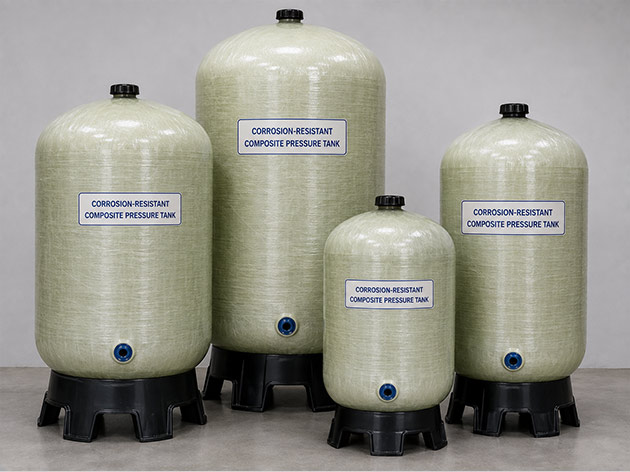
Corrosion-Resistant Composite Pressure Tanks
Composite pressure tanks provide an alternative to conventional painted-steel tanks where resistance to external corrosion is particularly important. Their lightweight construction can also simplify handling and installation.
Coastal installations, humid treatment rooms, commercial water systems, RO systems and other corrosive operating environments.